By Annette L. Becklund
In 2018, I took a DNA test for fun. I was blindsided to learn that the man I worshipped as my dad for fifty-seven years was not my biological father. My life, already shadowed by questions I couldn’t name, became shrouded in secrecy, compounded by the discovery that two of my siblings knew this might be true and had chosen to honor the lie.
Lies protected the family dysfunction I had felt all along buried in my body, surfacing every time a new, ugly truth made my spirit lurch. In time, I learned about my biological father and his story. I connected with my new family. I formed incredible, unexpected relationships. I was shunned by some old relatives. I was shunned by some new ones. Still, I knew: my ancestral work wasn’t complete.
I wrote a memoir, Ancestry Discoveries: What Happens Under the Sheets Doesn’t Stay There, and began a second book, Ancestry Discoveries: Go Deeper and Come Home exploring the ripple effect: how these revelations shape our relationships with those around us. Writer’s block set in and I felt stalled, stymied. The truth was that my story still needed attention. The epiphany was that I had to come home to myself first before exploring these other relationships. Something felt unfinished in me. That something was Ann.
Ann was my biological grandmother. She was adopted. Her longing for connection had followed her for a lifetime. I was told she ached for a familial bond she never found, it was an ache for her biological mother. I felt that, longing too. I had felt it my whole life, but I didn’t know why. I’d been searching for answers, but what I really longed for was something deeper—a cellular connection. The kind she’d craved, and the kind I hadn’t realized I was grieving, too.
Her name was Ann. My name is Annette—a derivative of hers. That naming was no accident. And then I learned her real name.
Sheva.
It was like the air shifted.
I said it aloud, Sheva. It sounded like mourning. Like the Hebrew term for bereavement, shiva. Maybe her mother knew she would carry her own grief for the rest of her life. Hers was the silent grief of losing a child. There were no casseroles or shiva visits because relinquishing a child is carrying a quiet grief buried in shame and embarrassment. Maybe that name was a prayer whispered into silence.
In freeing Ann, Sheva from the anonymity of adoption, I was freeing myself. I was giving her back the name she’d been stripped of. And with it, I was reclaiming something for every ancestor who had lived in longing, unacknowledged, grieving silently as so many first mothers do. I knew my path: to find Sheva’s real name, her real story, her real family. After all, I am part of her, and she is part of me. I was named Annette. I thought it was just a name.
But it was an echo. A signal. A whisper of Sheva trying to find her way back.
Sheva’s real birth date was November 10, 1909. Her family celebrated her birthday in February 1910, likely the date of her adoption, her “gotcha day.” A clean break. A new beginning. A burial of the past. It was a denial of the grief both she and her first mother carried in secret. With the help of a talented genealogist named Penelope Cumler, someone I met through a DNA support forum, who was finally able to identify Sheva’s birth parents and Todd Knowles, from Family Search confirmed my findings. And there it was, in the records: her real name. I can still hear his kind voice, “Yes, Annette, you found her…her name was Sheva.”
Sheva
Sheva means seven. In Jewish tradition, shiva is the seven-day mourning period observed after a death. Perhaps her mother named her that knowing she would grieve the loss of her daughter for the rest of her life, knowing she would never see her again. Maybe it wasn’t just a name. Maybe it was a mourning song. A whisper of love wrapped in grief. Now, over a century later, her name is spoken. Her story is known. Her lineage continues. And I, Annette—named for a woman who didn’t know whom she really came from—have found her.
She was Sheva. She was mine. I am hers.
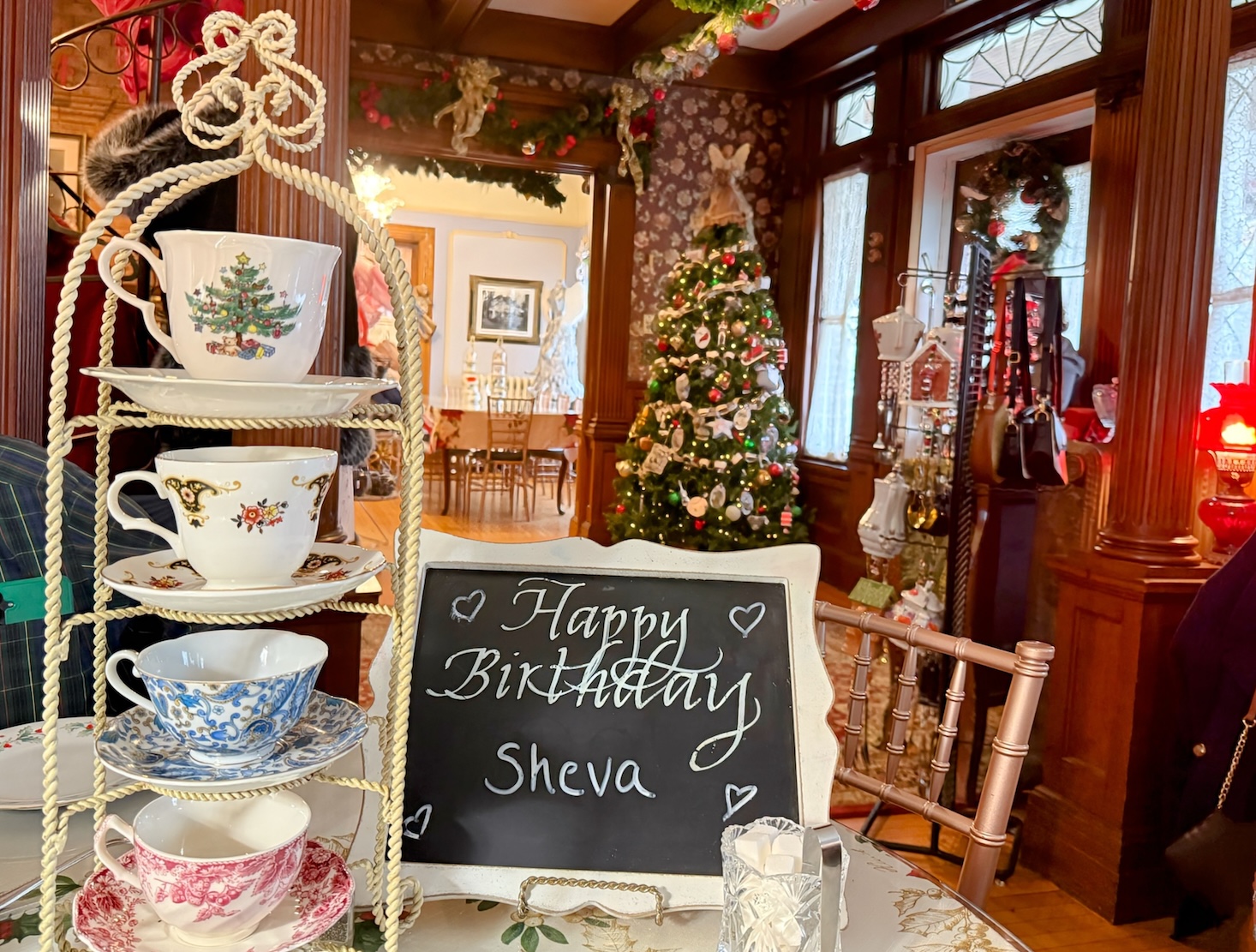
I decided two weeks before her first known biological birthday that I needed to be with her daughter, my new aunt. The family itself had been shrouded in tragedy with a son, Ricky who died in a car accident at age nineteen, my grandfather, Frank who died of a broken heart at a young age, and my own father, Barry, who had numerous physical and mental health issues, met an early demise. Sheva’s resilience was clearly related to her quick wit, spunky attitude, and appreciation of the family she and her adoring husband Frank created. She survived adoption, the loss of two of her children, and her spouse living just short of her hundredth birthday. Her own mother lived to be a hundred, perhaps with the hope of reconnection in the vast abyss of “someday.” I celebrated her the way I knew how—quietly with connection. The day before her birthday, a representative from each of her children’s family visited her and her daughters and son, all laid to rest in different cemeteries. There were joy and healing in our caravan of clarity. Then the next day, my new aunts and I continued her actual birthday with fine China teacups stacked beside a chalkboard that read Happy Birthday, Sheva. A sugar dish sat untouched beside them, as if waiting for something sweet that had taken too long to come. Maybe the cups weren’t just for her, but for every woman in our line who longed for connection and never got to name it. Until now.
I carry her photo now. The same way Sheva once carried the ache of being carried away.
I had to celebrate the heroine I discovered and love, if only at a distance for her persistence and strength. Sheva, the woman whose picture I carry, whose mother bears a strong resemblance to her and to me, with quiet longing for someone she could never touch, never hold, and kept to secrets never told.
And in her obituary, they wrote: “She lived a life of grace.”
I believe it. I see it. I carry it now.
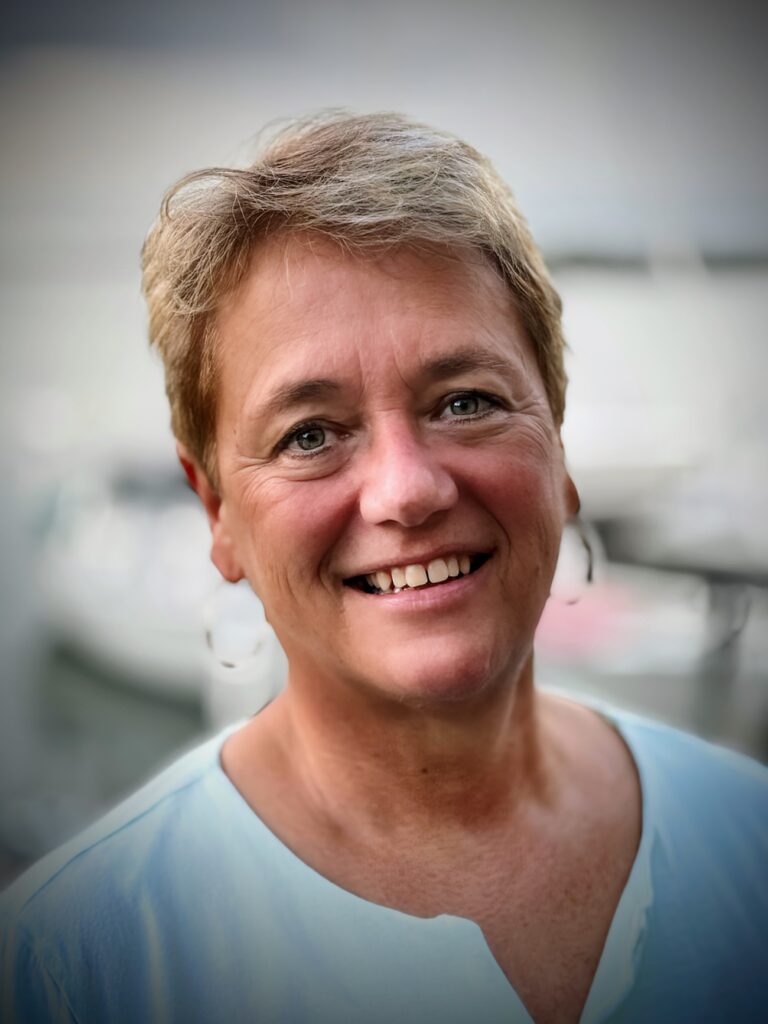
Annette L. Becklund is a licensed therapist and workshop facilitator specializing in developmental disabilities. She is an NPE. Her work focuses on identity, healing, and the ripple effects of family and ancestral discovery. She wrote Ancestry Discoveries: What Happens Under the Sheets Doesn’t Stay There, a deeply personal exploration of truth, secrecy, and belonging. Her writing has appeared in the Social Work Desk Reference and the Journal of Integrative Medicine.
Annette is also a lyricist and creative collaborator. She co-wrote “The Looking Glass” with Mauro Melleno, with two additional songs releasing this year: “The Lesson” and “Penmarks and PJs.”