• About
    • About Severance
    • From the Editor
    • Submission Guidelines: How to Contribute
    • Contact Us
  • Articles
    • abandonment
    • Adoption
    • Advocacy
    • DNA & Genetic Genealogy
    • DNA Surprises
    • Donor Conception
    • Family Secrets
    • Genetics & Heredity
    • Interviews & Profiles
    • Late Discovery Adoptees
    • Psychology & Therapy
    • NPEs/MPEs
    • Search & Reunion
  • Essays & Fiction
    • abandonment
    • Adoption
    • DNA surprises
    • Donor Conception
    • NPEs/MPEs
    • Late Discovery Adoptees
    • Search & Reunion
    • Secrets & Lies
  • Short Takes
    • Short Takes: Books
    • Short Takes: Events
    • Short Takes: Film & Video
    • Short Takes: People, News & Research
    • Short Takes: Podcasts & Radio
  • Self Care & Coping
    • Coping Strategies
    • Self-Care
  • Speak Out
    • Micro-Memoirs
    • Your Video Stories
  • Resources
    • Start Here
    • Abandonment
    • Adoption
    • DNA & Genetic Genealogy
    • Donor Conception
    • Genetics & Heredity
    • Late-Discovery Adoptees
    • NPEs (Not parent expected) & MPEs (Misattributed parentage experience)
    • Psychology & Therapy & Coaching
    • Search & Reunion
    • Secrets & Lies
    • Self-Care
  • NEED HELP TELLING YOUR STORY?
Severance Magazine
Tag:

NPEs

    Essays, Fiction, PoetryNPEs

    She Threw Me Away

    by bkjax March 16, 2026

    By Carrie Abbas

    November 27, 2020—my first Black Friday purchase ever. I ordered an Ancestry DNA kit, expecting curiosity and fun, a harmless dive into family history. A week later, it arrived. I had spent decades quietly wondering about my roots—the history behind my last name, the family stories, the subtle nudges that kept pricking my curiosity. I first noticed it during a study-abroad trip in Spain in my early twenties, when I met a young man from Morocco with my same last name—Abbas. We looked at each other in disbelief: how could someone with completely different features share my name? I hadn’t known the name’s prominence across Islamic countries at the time. That encounter planted a seed, one that grew over the years through random clues: comments from relatives, family reunion stories, my fascination with the German side of the Abbas family, and my work exploring identity through names. All of it quietly led me to this kit—a small, harmless indulgence in discovering who I truly was.

    The results didn’t come for eight long weeks, each day filled with a restless curiosity I could hardly contain. Then one morning, an email notification arrived: my results were ready to view on the website. My hands trembled as I clicked the link. The numbers on that tiny piece of plastic revealed a truth my mother could not bear—a truth that would make her turn her back on me. In an instant, everything I thought I knew about my life—my parents, my family, my very sense of belonging—came crashing down. It was a truth I could not ignore, no matter the cost.

    The results shifted everything. I had no German ancestry. None. Instead, more than 30% Scottish. Scroll after scroll of matches on my mother’s side…not a single Abbas on my father’s. Somewhere inside me, something wordless stirred. I had never suspected my dad wasn’t my biological father, but the truth fit like a puzzle piece that had been floating in the wrong box for decades.

    I mentioned to my mom my “mystery match”—a 25% connection.

    “Your dad is your dad,” she said. Again. And again.

    I hadn’t said a word about my dad, but she kept repeating it. Every time, my suspicion grew.

    My sister listened sympathetically at first. My brother insisted the kit must be wrong. My dad didn’t know yet; I wanted to shield him from a truth I wasn’t ready to face. His love for me had always been steady and unmistakable; it had been a constant in my life, the one place I could trust. And yet here I was, faced with a life-altering choice: let the questions go and keep the family I had always known, or pursue the truth about my biological father and risk being cast out. I knew my mother would not accept my search, and that if she disowned me, my dad would support her. For the first time, I had to put myself first, to honor my own identity—even if it meant the unthinkable: losing the family I had grown up with, the only one I had ever known.

    It didn’t take long to figure it out; we become keen detectives when presented with a few clues. My mystery match turned out to be an uncle, a patient, gentle pastor who helped me navigate the truth discreetly. We narrowed it down to his two brothers. One had passed away. The other—my biological father—was living in Ottumwa, Iowa at the time of my conception, just as my mother was.

    This man never said the words aloud, but he made it clear he wouldn’t acknowledge me as his daughter. When his brother offered to send a DNA test, he refused. At first, he responded to a few emails. Then silence. I understood—he had no idea I had existed and wanted to protect his wife. I wished I could meet him, but I couldn’t blame him.

    The hardest truth wasn’t my biological father’s distance. It was my mother’s refusal to let the truth be seen. She denied it, refused to speak, grew angry, then hostile, then cold. Finally, she turned the entire family against me. She disowned me, telling me never to call, email, text, or visit again. My dad told me they wouldn’t see us unless I apologized to her. She had told him “her truth”—the only version he would ever accept. I had known this could happen; I had expected it, understood that pursuing the truth would come at the cost of my place in the family. And yet, when it actually happened, it hit me like a freight train.

    And the worst part? They took it out on my kids. Birthday cards, Christmas gifts, phone calls, visits—all stopped. That first Thanksgiving without my parents and siblings felt hollow, a quiet absence pressing into my chest. I could hear laughter in my mind, smell the roasting turkey, imagine the clatter of plates at the table that should have been full—and yet the seats were empty. Christmas brought its own ache—lights, ornaments, stockings, all markers of traditions that no longer included my children’s grandparents. The grief hung in the air, invisible but heavy.

    Even my sister, my best friend, eventually turned away. After my youngest son—struggling with substance abuse—sent my dad an emotional text, she blocked me, called me names, and blamed me. My brother had already stopped speaking to me, though our relationship had never been as close—we hadn’t talked or texted often, and I’d only seen him a handful of times over the years since we moved away. Still, knowing he, too, had cut me off left an ache I hadn’t expected. That was when I truly felt the bottom drop out.

    For most of my life, I had been fiercely independent—living abroad in my teens and twenties, moving my family to another state, building a life far from my parents and siblings. But independence feels different when your family disappears overnight. Suddenly, all that strength feels like loneliness wearing a brave mask.

    There were days I couldn’t recognize my own reflection. I had lost the mother I thought I knew, the father who had raised me, the sister who held my memories, and the brother who had shared my childhood. I had lost my history, my identity, and any sense of security I had ever known.

    One evening about six months after my discovery, after dinner with my partner, as we walked to the car, I saw a soda cup tossed on the curb—crumpled, dirty, discarded. Something about it struck me with unbearable force, as if it carried all the betrayal, all the loss I had been holding in. I sank to the curb, my hands clutching my face. Ugly, heaving sobs tore through me. My partner knelt beside me, silent, letting me collapse into the grief that had been building like a storm. I didn’t want words. I didn’t want comfort. I needed to feel it, fully, without interruption.

    “She threw me away,” I whispered, my voice cracking. “My own mother… she threw me in the trash.” I repeated it over and over, words scraping raw against my throat. I’m a mother—I know the sharp terror of imagining a child lost, hurt, abandoned. And yet here was my mother, doing exactly that. She threw me away, and the weight of betrayal sank deep into my bones.

    The grief didn’t end with me. My children felt it, even from a distance. My youngest son sensed my pain in the silences between my words, in nights I stayed awake long after he was asleep. He reached out in his own way, texting my father in frustration and hurt, trying to reclaim some sense of justice for the family we had lost. My middle son, now in the military, carried the absence of grandparents and extended family with quiet resilience, aware of the loss even if he didn’t always express it. My oldest son, usually composed, bore the emotional weight most heavily. He carried the sting of exclusion at family events, including nearly skipping his cousin’s wedding because I wasn’t invited, feeling the burden of explaining my absence.

    Somewhere in the middle of that grief, a door opened in another direction. My extended biological family—my Welsh family—found out about me (my uncle had decided it was time everyone knew) and welcomed me with open arms. The first time I looked into the eyes of someone who truly resembled me, so familiar it startled me, I felt a shock of recognition that stole my breath. The resemblance wasn’t just in the shape of our faces or the color of our eyes; it was in the angles, the gestures, the way a smile lifted across the lips. And yet, even as their warmth surrounded me, I didn’t feel it was my home. I didn’t know where my place was anymore—I no longer fully belonged with the family I had grown up with, nor did I entirely belong in this newfound one.

    My aunt pulled me into a tight hug, and I froze, overwhelmed. I had barely known physical affection like this. “We don’t need DNA to know you’re ours,” she said softly, holding me as if she could absorb my shock and grief.

    Then came the words, one by one: “We love you.” “We’re so glad you’re here.” “You’ve always been part of this family.” Their voices were warm and insistent. The love was immediate and so intense it almost made me uncomfortable. I hadn’t grown up with that kind of affection, at least not from my mother. My grandparents had been affectionate, my dad too, but my mother…I could barely remember her hugging or kissing me.

    To feel arms around me that were eager, welcoming, steady—it was overwhelming. I caught my breath, unsure if I could reciprocate, wondering if I had already grown too guarded from recent betrayals. Would I truly fit in here? Could I fully walk through the door, or would I only stick one foot in, afraid to reveal the parts of myself that had been bruised and protected for so long? And yet, there it was: a love that didn’t judge, didn’t demand, a love that quietly declared I belonged.

    Their acceptance didn’t erase the grief, but it gave me a place to land. Still, the loss of the family I had always known haunted everything. My middle son asked me one day, “Was it worth it, Mom? Finding out?” He wasn’t judging—he was grieving too, as were all my sons. And even with the pain, the distance, the birthdays and holidays that would never be the same, I knew it was worth it. I could not turn my back on the truth, on myself. Knowing who I am mattered more than preserving a life built on silence.

    There have been times, when I drive to Missouri to visit my Welsh family, that I think about taking a detour to my parents’ house. I have no interest in seeing my mother, but the idea of being rejected by my dad is too painful. What if they slammed the door in my face? What if he refused to meet me? I can’t burden my son with relaying messages. Every time I consider it, I reject the thought—I can’t risk being rejected all over again. Some people say I should reach out first. Maybe they’re right. But maybe they’ll never understand what it feels like to have already been thrown away once.

    I often imagine the life I would have had if I hadn’t bought that Black Friday kit. I would still have my sister, my children would still have grandparents, we’d still take family trips, spend holidays together, have Sunday phone calls. But I would also be living a lie. I wouldn’t know the truth of my identity. I wouldn’t have met the family who embraced me without hesitation. I wouldn’t have looked into eyes that mirrored mine.

    This truth came with a cost so high I’m still paying it. I live in the in-between now—between the family I lost and the family I gained, between who I thought I was and who I actually am, between the life that could have been and the life that is. I’m not sure I’ll ever fully belong to either side. But I belong to myself now. And maybe—for the first time in my life—that’s enough.
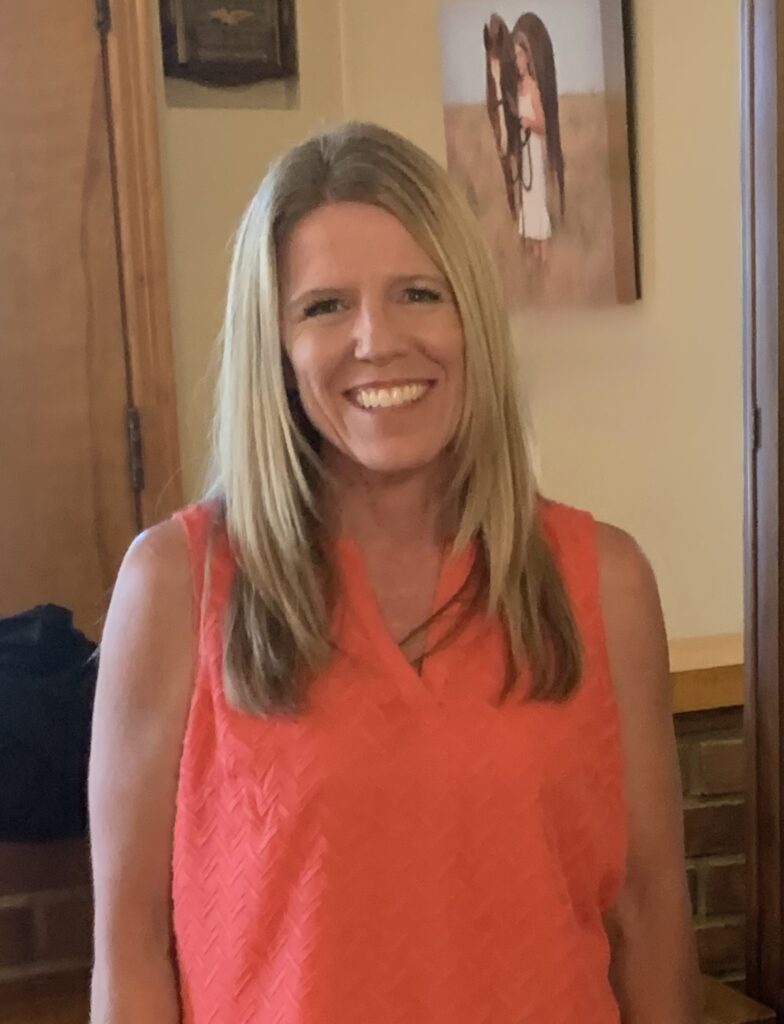
    Carrie Abbas is a writer and English–Spanish translator based in Texas. A native of Iowa, she has lived and worked abroad in Spain, Mexico, and China. She holds a master’s degree in TESOL with graduate certificates in linguistics and Spanish translation and interpretation, and degrees in hospitality management and human resource management. Her career has included work in the hotel industry, classroom teaching, and professional translation for a global financial organization. Her published translation credits include the children’s book Flora and the Beautiful Earth. Her writing explores identity and belonging, including her own experiences with DNA discovery. She is the mother of three sons and values family time. She enjoys reading, spending time with her German Shepherd, and long walks in nature

    March 16, 2026 0 comments
    2 FacebookTwitterThreadsBluesky
  • Essays, Fiction, PoetryNPEs

    Knowing You, Knowing Me

    by bkjax February 23, 2026
    February 23, 2026

    A month to immerse myself in German life.

    Read more
    1 FacebookTwitterThreadsBluesky
  • Essays, Fiction, PoetryNPEs

    Explanation is Not Obligation

    by bkjax February 16, 2026
    February 16, 2026

    I didn’t expect a DNA test to change my life.

    Read more
    4 FacebookTwitterThreadsBluesky
  • Essays, Fiction, PoetryNPEs

    Her Name is Sheva

    by bkjax January 12, 2026
    January 12, 2026

    In 2018, I took a DNA test for fun.

    Read more
    1 FacebookTwitterThreadsBluesky
  • BooksShort Takes

    Buried Truth

    by bkjax October 26, 2025
    October 26, 2025

    In 1993, when he was 48, Jim Graham learned a secret that turned his whole world upside down

    Read more
    2 FacebookTwitterThreadsBluesky
  • Essays, Fiction, PoetryNPEs

    The Ring of Truth

    by bkjax October 19, 2025
    October 19, 2025

    When I was 38, after both parents had died, I found out my mother wasn’t my birthmother.

    Read more
    3 FacebookTwitterThreadsBluesky
  • ArticlesDNA SurprisesNPEs

    One Big Happy Family

    by bkjax October 8, 2025
    October 8, 2025

    Actress, producer, and screenwriter Lisa Brenner has reimagined her DNA surprise story

    Read more
    1 FacebookTwitterThreadsBluesky
  • ArticlesNPEs

    Unfixed: A Memoir of Family, Mystery and the Currents That Carry You Home

    by bkjax October 1, 2025
    October 1, 2025

    Kimberly Warner’s Unfixed is a wonder. Beyond a mesmerizing story

    Read more
    2 FacebookTwitterThreadsBluesky
  • ArticlesNPEs

    And Then the Music Came

    by bkjax July 28, 2025
    July 28, 2025

    When I look in the mirror, what do I see?

    Read more
    1 FacebookTwitterThreadsBluesky
  • Essays, Fiction, PoetryNPEs

    Cracks in the Foundation

    by bkjax July 2, 2025
    July 2, 2025

    On Saturday Dave and I are eager to throw off the week’s stress with a spring bike ride along Portland’s waterfront.

    Read more
    2 FacebookTwitterThreadsBluesky
  • Essays, Fiction, PoetryNPEs

    My Mom Jayne

    by bkjax June 29, 2025
    June 29, 2025

    Mariska Hargitay is arguably one of the most famous women in America, if not in the world. The star of the longest-running prime-time live action series in television history, she plays Olivia Benson, a tough yet deeply compassionate sex crimes detective who, in every episode, encounters people after unspeakable tragedy—victims, survivors, and loved ones of violent crimes, whose secrets have been publicly laid bare in the most brutal fashion. Beautiful and intelligent, Benson is devoted to her work and guarded about a secret in her own past—that she was conceived as a consequence of rape. In her public life, the 61-year old Hargitay exudes warmth and humor. She’s known as a tender, yet strong woman, a loyal friend, and a loving wife and mother of three. Photographs of her with her husband, actor Peter Hermann, inspire envious Instagram memes with captions like “Everyone needs someone who looks at them like he looks at her.” She’s also a philanthropist, a certified rape counselor, and, as the founder of the Joyful Heart Foundation, a fierce advocate for survivors of child abuse, sexual assault, and domestic violence. But in her wrenching documentary film, My Mom Jayne, Hargitay pulls back the curtain and reveals herself to be the beating heart of a family enmeshed in tragedy and trauma on multiple levels—a family that shouldered the weight of secrets until those secrets could no longer be borne. Deeply sad, the film is also tender, sweet, and, ultimately, uplifting. Like Hargitay, her mother, Jayne Mansfield, was one of the most iconic figures of her time—as Edward R. Murrow observed, “the most photographed woman in show business.” A world-famous sex symbol, she reluctantly leaned into a pinup persona in hopes it would offer an opportunity for her to become known instead for her keen intelligence, acting ability, and prodigious musical talent. She tried to reinvent herself, but couldn’t break out of the mold she’d cast herself in. Unhappy with her career and struggling in her marriage to Mickey Hargitay, a Hungarian bodybuilder and former Mr. Universe, she fell prey to alcohol and drugs and became involved with men who abused her. When she was 34, she died in a car accident. Three-year-old Mariska and two of her brothers survived in the backseat. Although she had a loving stepmother after Mickey remarried, she was greatly affected by her mother’s absence. At the same time she was embarrassed by her legacy and wary to explore her life. As she grew older, with no clear memory of Jayne, she became driven to learn more about her and during the pandemic became a real-life detective, tracking down vast collections of photos, letters, memorabilia, public records, contemporary interviews, and fan mail. Hargitay conceived the documentary as way to fill the hole left in her heart, to learn about her mother what she couldn’t bear to learn when she was younger. Click on image to read more.

    Read more
    0 FacebookTwitterThreadsBluesky
  • Essays, Fiction, PoetryNPEs

    A Coffee Date with My Younger Self

    by bkjax June 10, 2025
    June 10, 2025

    By Michelle Talsma I met my younger self for coffee … well, iced chai with soy, at the campus Starbucks. “It’s still our favorite drink to order here?” she asked. “Yes, we get light ice now to make the most of it, because it’s still pricey,” I said with a smile. We hug and sit in a well-lit corner. Outside, the campus of Northern Arizona University is woodsy and gorgeous—green, alive with students scattering back and forth. We both love it here. She’s tired and rushed. In college, she’s taking 18 to 21 credits a semester, too many extracurriculars to keep track of, trying to make sure she builds a future for herself. She has a point to prove yet never feels like she’s doing enough. Some things never change. “She never gets sober does she…” She just asks, point blank, no filter. It’s not really a question. She knows. “No, she doesn’t, I’m so sorry…” A couple of years earlier, at 17, we left a note on our mom’s dining room table. “When you’re able to be a mom, give me a call,” it said. She never makes that call. “Does she ever meet our kids?” she asks. I know she’s worried about navigating that. Like me, she worries constantly about how to make others feel comfortable and seen. She chameleons to others, sliding in and out of lives and relationships, always on a quest to make others’ lives better and to find a place that feels like home. That trait calms down over the years but it never fully leaves. We’re working on it; always working on it. “You won’t have to worry about that…” her eyes don’t change, she knows. “But your dad meets them for a time, and you’ll treasure the photos always.” “I’m a mom?! We’re moms??!” Her face lights up and we both break into tears. I’m not allowed to give specifics, so I use “them.” Life will hit her hard in the quest to be a mom; she needs hope now more than exact answers. “Yes, and it’s as amazing and healing as you think it will be. And you rock it. They’re amazing. Black hair. Brown eyes. Your entire world and it’s the best experience ever. I promise.” I know her and all she wants to be is a writer and a mom, so I let that slip too… “You’ll be published nationally. Locally. Two hardcovers. It gives you the flexibility to be there for every moment of their childhood. Being a mom—it’ll be what keeps you going. You’ll be so grateful for it sometimes that your heart will swell with joy.” I let her soak that in and I feel like I’ve already said too much. But, right now, she needs hope more than anything. She knows plenty of grief. “Do you want to know more?” I ask. “I just need a moment,” she says. I do, too. I don’t know how to tell her to prepare for a life with as many bumps as blessings. How do you tell someone that at 22 their mom will pass? At 24, their dad will follow almost to the day. At 35, they’ll find out that their dad isn’t their biological dad and their world will turn upside down and inside out. Click on image to read more.

    Read more
    0 FacebookTwitterThreadsBluesky
  • ArticlesNPEs/MPEs

    Should Health Care Professionals Tell the Truth About Paternity?

    by bkjax April 14, 2025
    April 14, 2025

    On September 28, 2018, at 3 p.m., I opened an email from Ancestry.com notifying me that my DNA results were ready.

    Read more
    0 FacebookTwitterThreadsBluesky
  • Essays, Fiction, PoetryNPEs

    20 Questions and a World of Stories

    by bkjax April 7, 2025
    April 7, 2025

    By Ilene Alexander Old stories and new stories are essential: They tell us who we are, and they enable us to survive. We thank all the ancestors, and we thank all those people who keep on telling stories generation after generation, because if you don’t have the stories, you don’t have anything. – Leslie Marmon Silko You likely know the 20 Questions game in which players ask yes/no questions to identify a particular person, place, animal, object, or concept one of the players has in mind. A game for passing time with family while travelling or among friends learning a bit more about each other’s lives and interests while just hanging out, this game focuses on discovering answers to trivial questions. An amusing pastime that evokes good feelings, it seldom leads to forming memorable insights about people. I have in mind a different set of 20 questions, the Do You Know Survey developed by Marshall Duke, Robin Fivush, and Sara Duke. Their questions cluster into two broad categories—family origins and histories and birth and family trait stories. Overall, these who, what, when, where, why queries focus on basics such as parents’ and grandparents’ growing up, meeting, and marrying stories; their recollections of good and bad experiences in school, work, life, and health across generations; and learning appreciatively about family members’ national, ethnic, cultural, and/or immigration backgrounds. The key factor is how the stories are transmitted—through consistent, undistracted conversations during which family members listen and engage with multiple perspective-taking stories over many years. These regular gatherings create opportunities for children to hear a family’s history, build emotional strength, foster resilience and well-being, as well as develop a sense of self-identity within the intergenerational narratives. The power of family storytelling lies in its ongoing, meaningful presence rather than in isolated moments of information sharing. Given the gift of oscillating stories—the “life has ups and downs” stories told overtime by multiple people—I believe I’ve navigated, dare I say enjoyed, my DNA discovery because my raising up families sparked curiosity to seek stories however family shaped itself. Now, let me tell you a bit about how I came to realize old and new stories as essential for sense-making of the new DNA-provided stories. Click on image to read more.

    Read more
    0 FacebookTwitterThreadsBluesky
  • Essays, Fiction, PoetryNPEs

    The Wizard and I

    by bkjax March 17, 2025
    March 17, 2025

    By Laura Jenkins I first saw Wicked on stage in 2009, while my husband and I were honeymooning in San Francisco. Though it didn’t make me a superfan, I loved it enough to take family members to see it —on two separate occasions—when the tour came to town. But before the curtain fell for the third time, I found myself wishing it would hurry up and be over. I’d had enough.  So when my daughter invited me to see the film, I hesitated. Did I really want to sit through it a fourth time? No. But since she and her kids were only in town for 36 hours, I went. And by the end of the movie, I was so overcome with emotion I sat on the verge of tears through nearly ten minutes of credits trying to understand why it affected me so deeply. Two days later I saw it again. Within the week I preordered my digital copy. What happened to the woman who said she was finished with Wicked?    In a word, Elphaba.    Cynthia Erivo took a character I thought I knew and cracked her wide open. I’d seen three brilliant actors play Elphaba on stage, but until the movie I’d never really seen her. Not only did Erivo’s intimate portrayal give me a deeper understanding of her story, it also shifted the narrative in a way that brought a great deal of clarity to my own. The first thing that struck me when I saw Elphaba on an IMAX screen was her greenness. Of course I already knew what color she was. But seeing her up close made me think about why she was green: like me, she was the offspring of an affair. Her viridescent skin was a dead giveaway that she and her sister had different fathers. I don’t have statistics to back this up, but when people in monogamous relationships betray that commitment, they typically want to keep it hidden. And that’s pretty difficult to do with an accidental baby around—especially if she’s green. Children of affairs are, by nature, whistleblowers. We tell secrets by simply existing. Elphaba carried the stigma of her parents’ tryst on the outside. When I saw her on screen, it occurred to me that green is a perfect way to describe how I always felt on the inside—tarnished. Tainted. I can’t remember a time when I didn’t have a gnawing sense I didn’t deserve to be here. My sister told me the truth about my biological father when I was 21, but I felt the immense weight of the secret long before that. Since I couldn’t get anyone to talk about it, I drew my own conclusions: there must something about me that was too awful to tell. Was I born innately bad? Click on image to read more.

    Read more
    1 FacebookTwitterThreadsBluesky
  • DNA surprisesEssays, Fiction, PoetryNPEs

    Reflections

    by bkjax January 29, 2025
    January 29, 2025

    By Tracey Ciccone Edelist It took some imagination to see my dad in me. We look nothing alike, so I had to go beyond the obvious to find similarities: crooked teeth, hidden skin tags and blemishes, a propensity to worry, maybe cheekbones and chins—he hides his under a beard so it’s hard to say. I share more physical similarities with my blue-eyed, blonde-haired stepmother who has been my mom since my birth mother left one day when I was barely a toddler. We used to look at each other and smile conspiratorially when strangers commented on how much I looked like Mom. I worked hard to see those bits of Dad in me, so when my eldest child did a consumer DNA test “for fun” and uncovered my birth mother’s secret about my paternity, I didn’t know who I was looking at in the mirror anymore. Within a few hours, we’d found photos online of women, sisters of the suspected DNA father, who looked like me and my children. Then I found a black and white photo of him from 1975. I would have been four. It’s a close-up shot. He’s sitting in the driver’s seat of a car wearing a wide-lapelled winter coat and ‘70s patterned scarf, smiling for the camera, his arm resting on the open window. I saw my eyes, my forehead, my face shape, my lips, my skin tone. That photo, and those of his sisters, my aunts, made it hard to deny what the DNA test had revealed. The first time I caught my reflection in the mirror after looking at their photos, I jumped, and then I stared, unbelieving. I saw him and his sisters looking back at me, their features superimposed on my own. I had spent so long convincing myself my cheekbones came from my dad, so many years establishing that untrue story of who I was, and now, there were these unknown people who looked like me, presenting themselves uninvited in my face, pushing Dad away from it. For months, every time I saw myself in the mirror, and every time I looked at my young adult children, I felt an electric shock of disbelief zap through me, wrenching me into a surreal world that didn’t make any sense. I no longer knew who we were, who I was, except that I was now half Italian. It took quite some time for my brain to adjust, for my synapses to rewire to incorporate this new information, to rebuild my identity from scratch. I began to write to help me process everything, to get the intrusive, persistent thoughts out of my brain and onto the page. The story below is a short piece of creative non-fiction that represents an unsettling that follows these DNA discoveries. The woman seeks refuge in nature. It grounds her, but the turmoil underneath remains and breaks through. Click on image to read more.

    Read more
    1 FacebookTwitterThreadsBluesky
  • Essays, Fiction, PoetryNPEs

    Putting Yourself Back Together From a Rapid Unscheduled Disassembly

    by bkjax January 28, 2025
    January 28, 2025

    By Ann T. Perri When it first happened, I thought my DNA discovery broke me into a thousand pieces, but now, that’s not what I think happened. Instead, as one set of beliefs about identity peeled away, I expanded and reassembled. Before I knew I was an NPE (not parent expected), many of my beliefs about identity came from my family, particularly my father’s family. To them, blood is everything. You put your family first and never betray them, because they’re your blood. In my earliest childhood memories, in an Italian house with plastic-covered furniture and the scent of sautéed garlic always wafting from the kitchen, my grandma told me the story of her family, our family. I learned about her siblings, her no-good father, and her long-suffering mother. I absorbed it all and built my identity on that family lore. My grandma would tell me how she waited generations for a girl to be born into the family, and here I was, her prayers answered. And best yet in her eyes, I was smarter than the boys in the family—just like she knew a girl would be with our blood. She mapped out the person she expected me to be when I grew up. I would travel and attend college, yet I must remember that cleanliness was next to godliness and always that blood is thicker than water. The only thing was—which we didn’t know then—was that I wasn’t blood. I didn’t share a single drop of their blood or a centimorgan of their DNA. I wasn’t like the men in the family because they weren’t related to me. But nobody knew that, except maybe my mother. Decades after my grandma died, some saliva and a DNA test revealed my genetic truth. I was a middle-aged woman going through menopause with an identity that felt shattered with little warning. The pieces of my family stories left a debris field through my life. It was as SpaceX says when a rocket explodes, it’s a rapid unscheduled disassembly or RUD. And it feels like shit. Click on the image to read more.

    Read more
    0 FacebookTwitterThreadsBluesky
  • AdoptionArticlesFamily SecretsNPEs

    What They Never Told Us

    by bkjax January 15, 2025
    January 15, 2025

    A review by Michèle Dawson Haber In What They Never Told Us: True Stories of Family Secrets and Hidden Identities Revealed (Skyhorse Publishing, December 2024) Gail Lukasik picks up where her 2017 best-selling memoir, White Like Her: My Family’s Story of Race and Racial Passing, left off, describing how telling her mother’s story of racial passing catapulted Lukasik into the public spotlight and transformed her into a spokesperson for others encountering sudden genetic surprises. Strangers began approaching her looking to share their stories. and it was this experience that convinced her to write What They Never Told Us. “The first step toward understanding the impact of family secrets is to give them a voice.” Lukasik does so with respect and care in this fascinating collection of interviews with adoptees, donor conceived people, and individuals who have uncovered previously hidden genetic histories. The book is divided into thirds, with each part focused on a different grouping of people affected by sudden identity shocks. The first group consists of those who, like Lukasik, discover their racial or ethnic identity is not what they thought it was. In 1995, while looking up census records of her family, she discovered the grandfather she’d never met was Black. She realized then that her mother had been passing as white, never telling her husband or her children about her racial background. Abiding by her mother’s wish not to reveal the truth to anyone, Lukasik waited until her mother died to begin exploring what this new information about her ancestry meant to her. Thirty years later she’s still exploring, asking questions, and challenging perceptions of racial identity. The second part of What They Never Told Us is devoted to stories of adoptees whose parents withheld crucial information about their identities. In some cases, their parents withheld the very fact of their adoption and in other cases the ethnic origins of their biological parents. In part three, Lukasik talks with donor conceived people, including four half-siblings who meet after discovering they were conceived with the same sperm donor. Click image to read more.

    Read more
    1 FacebookTwitterThreadsBluesky
  • BooksShort Takes

    Who’s My Daddy?

    by bkjax August 14, 2024
    August 14, 2024

    Gina Cameron was always aware that something in her family wasn’t quite right. Her relationship with her father was volatile—

    Read more
    1 FacebookTwitterThreadsBluesky
  • Short TakesShort Takes: People, News & Research

    Second Annual DNA Surprise Retreat

    by bkjax June 1, 2024
    June 1, 2024

    Second Annual DNA Surprise Retreat June 1, 2024 Following the success of last year’s event, the second annual DNA Surprise Retreat is set to take place from September 19-22, 2024, at the picturesque Saguaro Lake Ranch outside of Phoenix, AZ. This retreat is designed for those who have experienced life-altering discoveries through consumer DNA tests, providing a supportive and healing community. The inaugural retreat was met with overwhelmingly positive feedback, with participants finding solace, understanding, and camaraderie among peers who shared similar experiences. At the 2024 retreat, attendees will benefit from expert-led sessions on topics such as generational trauma, parts work, and betrayal trauma. In addition, the retreat will offer rejuvenating yoga and breathwork sessions led by seasoned facilitators, ensuring a holistic approach to healing. Co-founder Alexis Hourselt, who faced her own DNA surprise in 2021 upon learning that the man who raised her was not her biological father, expressed the transformative impact of these retreats. “My DNA surprise completely upended my sense of identity,” said Hourselt. “Navigating new family relationships and feeling a profound sense of betrayal was incredibly isolating. But through this community, I found that I was not alone.” Hourselt co-founded the retreat with Debbie Olson, who discovered in 2019 that her estranged father was alive after being told he had died. “We’re thrilled to continue creating spaces where people can come together, share their stories, and heal,” said Olson. Hourselt and Olson are committed to continuing this vital support network. “No one expects their world to be turned upside down by a DNA test,” said Hourselt. “It’s essential for people to know they are not alone and that there is a community ready to help.” For more information and to register for the retreat, visit www.dnasurpriseretreat.com.

    Read more
    1 FacebookTwitterThreadsBluesky
Newer Posts
Older Posts

Severance is a community for NPEs (people who’ve had a “not parent expected” experience), adoptees, and others who've been severed from biological family. It was founded and is edited by B.K. Jackson. Click here to learn more about the magazine, here to learn about the editor, and here for information about how to share your stories. Severance has no subscription fees, does not accept advertising, and includes no AI-generated copy for affiliate links.

https://www.youtube.com/watch?v=fZM6m_GJhr8

What’s New on Severance

  • We Meet Again
  • She Threw Me Away
  • Secrets
  • Knowing You, Knowing Me
  • KPop Demon Healing
  • Explanation is Not Obligation

After a DNA Surprise: 10 Things No One Wants to Hear

Tags

abandonment adoptee adoptees adoptee stories adoption advocacy biological family birthmother books DNA DNA surprise DNA surprises DNA test DNA tests donor conceived donor conception essay Essays family secrets genetic genealogy genetic identity genetics grief heredity Late Discovery Adoptee late discovery adoptees Late Discovery Adoption meditation memoir MPE MPEs NPE NPEs podcasts psychology Q&A rejection research reunion search and reunion secrets and lies self care therapy transracial adoption trauma

Recommended Reading

The Lost Family: How DNA is Upending Who We Are, by Libby Copeland. Check our News & Reviews section for a review of this excellent book about the impact on the culture of direct-to-consumer DNA testing.

What Happens When Parents Wait to Tell a Child He’s Adopted

“A new study suggests that learning about one’s adoption after a certain age could lead to lower life satisfaction in the future.”

Janine Vance Searches for the Truth About Korean Adoptees

“Imagine for a minute that you don’t know who your mother is. Now imagine that you are that mother, and you don’t know what became of your daughter.”

Who’s Your Daddy? The Twisty History of Paternity Testing

“Salon talks to author Nara B. Milanich about why in the politics of paternity and science, context is everything.”

What Separation from Parents Does to Children: ‘The Effect is Catastrophic”

“This is what happens inside children when they are forcibly separated from their parents.”

Truth: A Love Story

“A scientist discovers his own family’s secret.”

Dear Therapist: The Child My Daughter Put Up for Adoption is Now Rejecting Her

“She thought that her daughter would want to meet her one day. Twenty-five years later, that’s not true.”

I’m Adopted and Pro-Choice. Stop Using My Story for the Anti-Abortion Agenda. Stephanie Drenka’s essay for the Huffington Post looks at the way adoptees have made unwilling participants in conversations about abortion.

Archives

  • March 2026
  • February 2026
  • January 2026
  • November 2025
  • October 2025
  • August 2025
  • July 2025
  • June 2025
  • May 2025
  • April 2025
  • March 2025
  • February 2025
  • January 2025
  • December 2024
  • November 2024
  • October 2024
  • September 2024
  • August 2024
  • July 2024
  • June 2024
  • May 2024
  • April 2024
  • March 2024
  • February 2024
  • January 2024
  • November 2023
  • October 2023
  • September 2023
  • August 2023
  • July 2023
  • May 2023
  • April 2023
  • March 2023
  • February 2023
  • January 2023
  • December 2022
  • November 2022
  • October 2022
  • September 2022
  • July 2022
  • June 2022
  • May 2022
  • April 2022
  • March 2022
  • February 2022
  • December 2021
  • November 2021
  • October 2021
  • September 2021
  • August 2021
  • June 2021
  • May 2021
  • April 2021
  • March 2021
  • February 2021
  • January 2021
  • December 2020
  • November 2020
  • October 2020
  • September 2020
  • August 2020
  • July 2020
  • June 2020
  • May 2020
  • April 2020
  • March 2020
  • February 2020
  • January 2020
  • December 2019
  • November 2019
  • October 2019
  • September 2019
  • August 2019
  • July 2019
  • June 2019
  • May 2019

Privacy Policy
Terms & Conditions

@2019 - Severance Magazine

Severance Magazine
  • About
    • About Severance
    • From the Editor
    • Submission Guidelines: How to Contribute
    • Contact Us
  • Articles
    • abandonment
    • Adoption
    • Advocacy
    • DNA & Genetic Genealogy
    • DNA Surprises
    • Donor Conception
    • Family Secrets
    • Genetics & Heredity
    • Interviews & Profiles
    • Late Discovery Adoptees
    • Psychology & Therapy
    • NPEs/MPEs
    • Search & Reunion
  • Essays & Fiction
    • abandonment
    • Adoption
    • DNA surprises
    • Donor Conception
    • NPEs/MPEs
    • Late Discovery Adoptees
    • Search & Reunion
    • Secrets & Lies
  • Short Takes
    • Short Takes: Books
    • Short Takes: Events
    • Short Takes: Film & Video
    • Short Takes: People, News & Research
    • Short Takes: Podcasts & Radio
  • Self Care & Coping
    • Coping Strategies
    • Self-Care
  • Speak Out
    • Micro-Memoirs
    • Your Video Stories
  • Resources
    • Start Here
    • Abandonment
    • Adoption
    • DNA & Genetic Genealogy
    • Donor Conception
    • Genetics & Heredity
    • Late-Discovery Adoptees
    • NPEs (Not parent expected) & MPEs (Misattributed parentage experience)
    • Psychology & Therapy & Coaching
    • Search & Reunion
    • Secrets & Lies
    • Self-Care
  • NEED HELP TELLING YOUR STORY?
Severance Magazine
  • About
    • About Severance
    • From the Editor
    • Submission Guidelines: How to Contribute
    • Contact Us
  • Articles
    • abandonment
    • Adoption
    • Advocacy
    • DNA & Genetic Genealogy
    • DNA Surprises
    • Donor Conception
    • Family Secrets
    • Genetics & Heredity
    • Interviews & Profiles
    • Late Discovery Adoptees
    • Psychology & Therapy
    • NPEs/MPEs
    • Search & Reunion
  • Essays & Fiction
    • abandonment
    • Adoption
    • DNA surprises
    • Donor Conception
    • NPEs/MPEs
    • Late Discovery Adoptees
    • Search & Reunion
    • Secrets & Lies
  • Short Takes
    • Short Takes: Books
    • Short Takes: Events
    • Short Takes: Film & Video
    • Short Takes: People, News & Research
    • Short Takes: Podcasts & Radio
  • Self Care & Coping
    • Coping Strategies
    • Self-Care
  • Speak Out
    • Micro-Memoirs
    • Your Video Stories
  • Resources
    • Start Here
    • Abandonment
    • Adoption
    • DNA & Genetic Genealogy
    • Donor Conception
    • Genetics & Heredity
    • Late-Discovery Adoptees
    • NPEs (Not parent expected) & MPEs (Misattributed parentage experience)
    • Psychology & Therapy & Coaching
    • Search & Reunion
    • Secrets & Lies
    • Self-Care
  • NEED HELP TELLING YOUR STORY?
@2019 - Severance Magazine