Mariska Hargitay is arguably one of the most famous women in America, if not in the world. The star of the longest-running prime-time live action series in television history, she plays Olivia Benson, a tough yet deeply compassionate sex crimes detective who, in every episode, encounters people after they’ve experienced unspeakable tragedy—victims, survivors, and loved ones of violent crimes, whose secrets have been publicly laid bare in the most brutal fashion. Beautiful and intelligent, Benson is devoted to her work and guarded about a secret in her own past—that she was conceived as a consequence of rape.
In her public life, the 61-year old Hargitay exudes warmth and humor. She’s known as a tender, yet strong woman, a loyal friend, and a loving wife and mother of three. Photographs of her with her husband, actor Peter Hermann, inspire envious Instagram memes with captions like “Everyone needs someone who looks at them like he looks at her.” She’s also a philanthropist, a certified rape counselor, and, as the founder of the Joyful Heart Foundation, a fierce advocate for survivors of child abuse, sexual assault, and domestic violence.
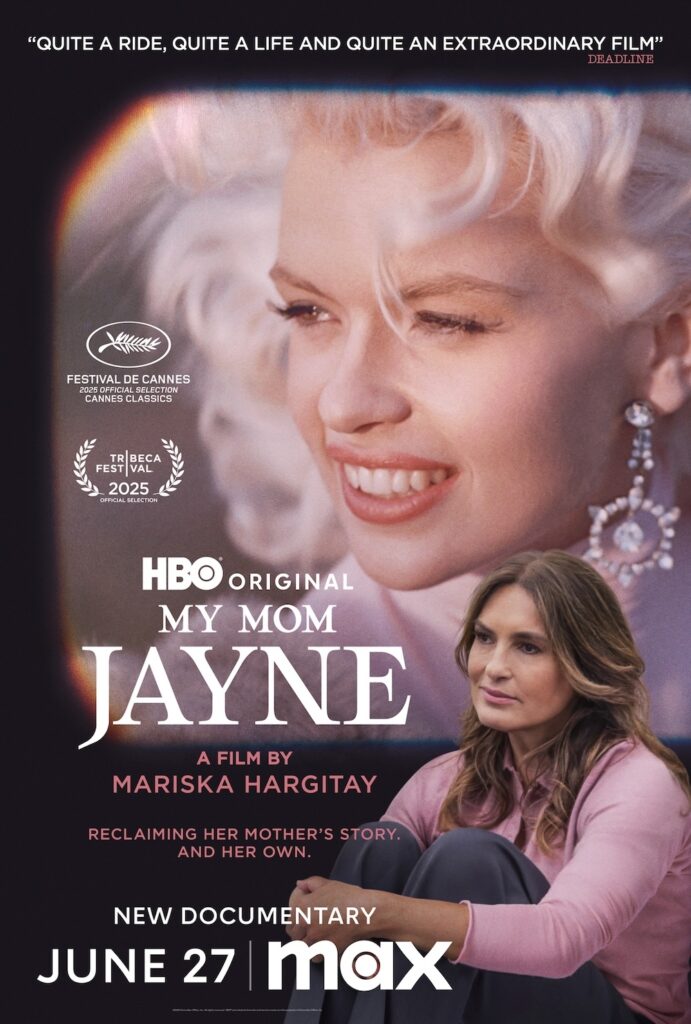
But in her wrenching documentary film, My Mom Jayne, Hargitay pulls back the curtain and reveals herself to be the beating heart of a family enmeshed in tragedy and trauma on multiple levels—a family that shouldered the weight of secrets until those secrets could no longer be borne. Deeply sad, the film is also tender, sweet, and, ultimately, uplifting.
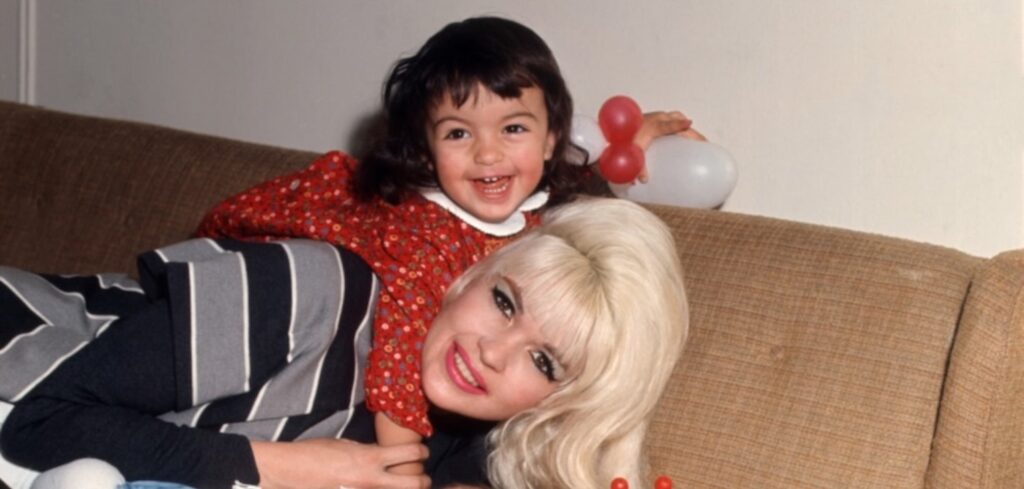
Like Hargitay, her mother, Jayne Mansfield, was one of the most iconic figures of her time—as Edward R. Murrow observed, “the most photographed woman in show business.” A world-famous sex symbol, she reluctantly leaned into a pinup persona in hopes it would offer an opportunity for her to become known instead for her keen intelligence, acting ability, and prodigious musical talent. She tried to reinvent herself, but couldn’t break out of the mold she’d cast herself in. Unhappy with her career and struggling in her marriage to Mickey Hargitay, a Hungarian bodybuilder and former Mr. Universe, she fell prey to alcohol and drugs and became involved with men who abused her. When she was 34, she died in a car accident. Three-year-old Mariska and two of her brothers survived in the backseat.
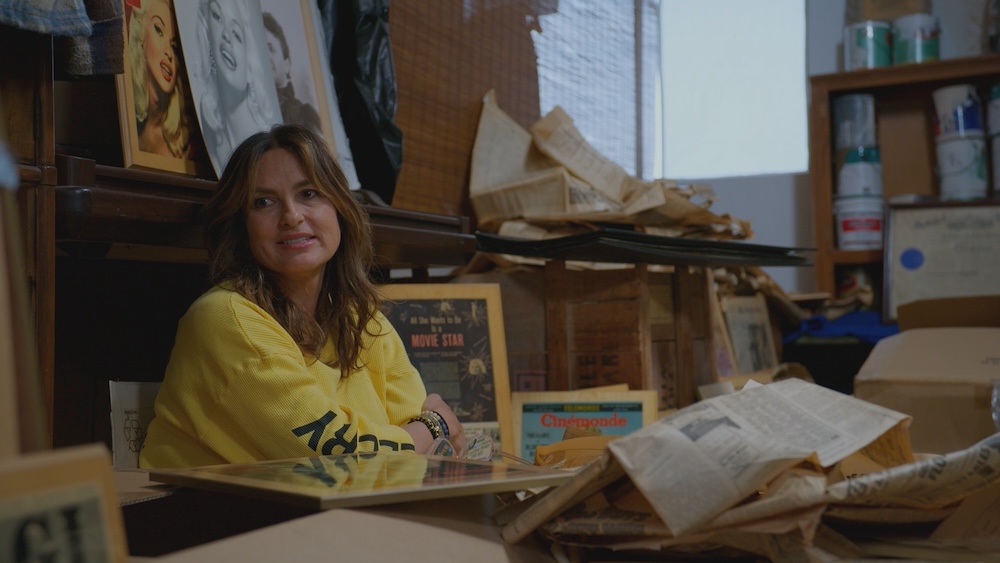
Although Hargitay had a loving stepmother after Mickey remarried, she was greatly affected by her mother’s absence. At the same time she was embarrassed by Jayne’s reputation and wary of exploring her life. And when Mickey advised her not to read the books about her, warning her they were all lies, she listened. But as she grew older, with no clear memory of Jayne, she became driven to learn more about her, “just as Jayne, my mom Jayne.” There was so much she’d never asked her father and she’d had few conversations with her siblings about their mother and their childhood. During the pandemic she became a real-life detective, tracking down vast collections of photos, letters, memorabilia, public records, contemporary interviews, and fan mail. Hargitay conceived the documentary as way to fill the hole left in her heart, to learn about her mother what she couldn’t bear to learn when she was younger—to reclaim their story.
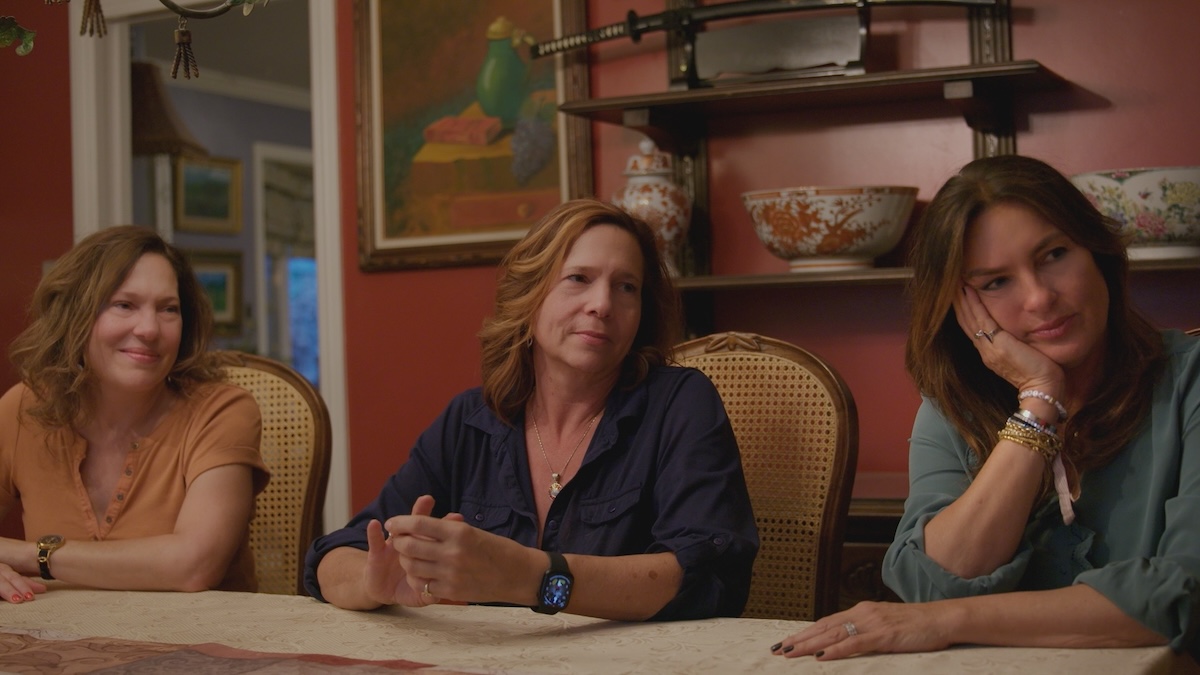
Her siblings, Jayne Marie, Zoltan, Mickey Jr, and Tony, consented to clearly difficult conversations about their shared past—the happy and the painful times—as did her stepmother, Ellen, and Jayne’s nearly 100-year-old press secretary, Raymond “Rusty” Strait. These heartbreaking conversations with her sister and brothers—studded with pauses, tears, breathlessness—are what I imagine debriefings are like after a calamity.
In a watershed moment in the film, Hargitay excavates a devastating secret that not only left her reeling but that also enmeshed her entire family in silence for three decades. When she was in her 20s, she was told that her beloved dad was not her father—that Jayne had had an affair with a handsome Italian nightclub entertainer. Several years later she tracked down her biological father, Nelson Sardelli, who confirmed the rumor. She then confronted Mickey, who denied everything, insisting he was her father. And here, as she tells it, her compassion swells, and she sees his pain is equal to hers. Unwilling to hurt the father she adored, she never mentioned it again. And even as she developed a relationship with her biological father and her two half-sisters, she kept them a secret for 30 years. Despite knowing him all those years, during the making of the film she had what apparently were the first in-depth conversations about her origins with Sardelli and her two half-sisters, Giovanna and Pietra Sardelli. Sometimes sounding like Olivia Benson, she can be a tough interviewer, and then, like her TV counterpart, she pivots to tenderness and empathy.
Like so many who have had an NPE (not parent expected) experience, Hargitay’s intuition had always nagged her. As she told the New York Times, she didn’t look like her siblings and feared not belonging. “I just always knew something was up,” she said.
In so many instances, NPEs are asked by their families to keep the secret of their misattributed parentage. In Hargitay’s case, she not only was the secret and the secret keeper, she imposed the secret on her family out of loyalty to her dad, who died in 2006.
And here the film becomes a story of redemption, enlightenment, and self-discovery, as Hargitay grapples with the tragedy of having lived with a toxic secret and her grief over having asked so many others to do so as well. And in releasing the secret, she unburdened everyone, rewriting their family story. “Sometimes keeping a secret doesn’t honor anyone. And it took me a long time to figure that out,” she says.
NPEs will feel seen—or seen through—and likely be grateful their own stories are reflected in Hargitay’s—that the film increases awareness of the magnitude of the misattributed parentage experience and the trauma that often accompanies it. It was a foregone conclusion that someone like me—who never knew my mother and who discovered both that my dad was not my father and that my father was an Italian man—would find this film both shattering and comforting. Hargitay so fully captures the depth of the longing felt by those of us with unknown parents, so clearly understands how possible it is for us to miss what we never had, and so thoroughly captures how bewildering and enraging it is to find that we were a secret and to suddenly discover we’re not who we thought we were.
But the film’s appeal is universal. One needn’t be an NPE to be brought to tears by it. Hargitay’s feature film directorial debut, which premiered at the Cannes Film Festival, is a story of grief, shame, sorrow, trauma, longing, and wreckage. But it’s a testament to her masterful skill and her outsized empathy that it is, ultimately, about love and forgiveness.
My Mom Jayne streams on HBO.