
By Jill Methvin
My adoptive parents expected me to fit into their family. When their relatives made it clear I didn’t belong, my parents didn’t step in. Apparently, belonging was my responsibility; defending me was optional. I didn’t resemble their biological relatives, act like them, or think like them. Instead of helping me find my place, the adults around me told me who I was. For years, their version of me was the only one I had.
My adoptive mother’s youngest brother was married to the woman I call Aunt Jezebel—Aunt Jez for short. If I won a game, she called me a show-off. If I did something her kids wouldn’t have thought of, she laughed at me. She made sure I heard every remark. Whatever I did, she found a way to make it count against me.
Her oldest daughter, whom I call Junior Jezebel, was three months younger than I was. If it looked like I would win a game, she stopped playing and ran to her mother. Sometimes I was accused of cheating. How do you cheat when you’ve all lined up to see who can run the fastest? Apparently, fair play meant I was free to compete provided I had the courtesy to lose.
I was an overachiever, but doing well did not protect me. For years, my aunt’s children attended a one-room country school, so I usually saw them only on weekends at church. I can’t remember a Sunday when that family didn’t find something I had done to take offense at—and then gossip about it. I became known as “The Adopted Trash.” That label followed me into a place where I should have been able to belong.
My parents didn’t allow me to tell anyone I was adopted because people might treat me differently. I was also not allowed to stand up for myself. Yet their own relatives used my adoption against me. I was expected to keep it quiet while they made it an explanation for everything they disliked about me.
I knew nothing about my biological family; my records are still closed. Some adults treated that silence as permission to invent my history. Missing facts were no obstacle; apparently, there was creative freedom. In their version, I was unwanted and came from people I should be ashamed of. We lived within a few miles of those adults, and my parents trusted them. If a relative complained about me, my parents assumed the complaint was true. A family accusation came with its own verdict. Evidence would only have slowed things down.
Even my weight became another story adults told about me. My father grew up during the Depression and associated heavier children with prosperity. My mother worked second shift in a factory, so he handled meals. I was fat, and he thought he was doing a great job. At school, I was called every fat name in the book. When my mother moved to first shift, she joined in the name-calling because I couldn’t fit into the cute clothes she wanted me to wear. To him, my weight meant success. To her, it was a failing. Either way, I was the one who had to live with it.
Junior high school was another transition. My mother made sure I lost weight. The country school Junior Jezebel attended closed, and now we went to the same school. I also grew, which shifted my weight in the right places. I walked into eighth grade better looking and in better shape than the mean girls. They trashed my reputation – I was the town whore, and I didn’t even know what that meant. I thought I was a horror: that I was ugly and scared people. Aunt Jez and Junior Jez caught wind of it and trashed me to everyone in the community. I was name-called by some of the worst in society. The aunt greased up some of the boys in my class and they would greet me at the door each day and beat the living hell out of me. Of course the adults in the community who were excited I was a whore thought it was appropriate behavior. After these boys would beat me up, they would sexually assault me and threaten my life. There was never fewer than six of them. I was terrified. It happened every day, sometimes two or three times. The boys caught me out on a weekend and played Russian roulette on my head with a pistol. One of my mother’s nephews was with them.
Aunt Jezebel made sure the relatives heard how my peers were treating me. Then the relatives joined in the name-calling. She blamed it on my adoption, telling people that you never know what you are getting when you adopt. She claimed to know my biological family and said they wanted nothing to do with me either. I had no way to check her story. My adoptive mother looked up to Aunt Jezebel, and I had been trained to respect her.
The possibility of rape terrified me. Girls with a reputation like mine were targets. What you wore, if you were alone, and if you were drinking were all considered reasons to prey on girls like me. By 15, I was even hit on by a married preacher who told me that God would forgive him, but since I was a bastard, I would still go to hell. I decided hell didn’t sound as bad as an affair with him.
At 14, I wanted to run away and never go back; one of my biggest regrets from that time period was not following through on that. Suicide sounded good; I had a plan. Then I was raped at 16, my life went completely in the toilet. My ex-husband found me trying to kill myself, and I ended up pregnant. My parents married me off at 17 to avoid their own embarrassment. They taunted me about how I’d ruined my life and my baby was now a punishment. That baby actually saved my life. I had no idea who would raise her if I killed myself. She needed out of that community of people every bit as badly as I did. I’m grateful that in those days my ex-husband liked me; it was still the Baby Scoop Era. Our marriage didn’t last long, but long enough; I wasn’t put in the position to give her away.
I was granted a full scholarship to college, and I believe God asserted himself in my life through that opportunity. I began at a community college, where I enjoyed my classes and did well. Then I transferred to a four-year college several hours away from my adoptive family. After college, I kept moving farther away. Getting out did not undo what had happened, but I believe the distance helped me survive.
I had many struggles, and I did not always handle things well. I’ve had tons of counseling, but I still have nightmares. Sometimes I react before I can stop and choose how to respond. Complex post-traumatic stress disorder is what my adoptive relatives left me with. God reached out to me in the middle of those struggles. He has changed my life for the better. My faith is not a defense of the people who hurt me, and their treatment of me is not the measure of who I am.
I applied for a mission trip to the Dominican Republic and needed a passport. To get one, I needed a certificate of adoption signed by a judge. That document included my birth name, which made finding my biological family easy: the name was uncommon, and they were living in the same county where I grew up. When I met them, I learned that my biological parents had gone to a lawyer to try to get me back. Aunt Jez’s claim that they wanted nothing to do with me was a lie. The people I had been told rejected me had tried to reclaim me. That truth did not give me back the years I had lost, but it meant her version of my history was no longer the only one I had.
I had eight biological siblings, and I have no real relationship with any of them. Three have already passed away. Adoption brought losses I did not choose. When I describe the lack of those relationships as a loss, someone always tells me they didn’t like the siblings they grew up with and that I’m lucky. They miss the point. I wanted the chance to know mine; maybe I wouldn’t have liked them, but it would have been a choice. Blowing off that loss doesn’t turn it into luck.
I am also an adoptive parent. My youngest child was eight when I adopted her. My losses and my love for my children are both part of my story; neither cancels the other. I adore all my kids—adopted, biological, and step. God has blessed me with each of them. I can only pray they know I tried to be the parent they needed.
People still want me to rewrite my story so they can feel better about their beliefs about adoption. Apparently, my life needs an edit—not for accuracy, but for their comfort. They want me to move on, preferably to a version of events they approve of. I spent enough of my childhood living inside other people’s version of me.
I do not believe God ordained the suffering I endured. I believe he reached me in it and helped me build a life beyond it. That is my testimony—not that the past was good, or that faith erased it, but that the people who hurt me do not get the final word about who I am.
I cannot change the past. I am still working toward telling my story without being consumed by anger, bitterness, or hostility. I have not arrived at a tidy ending, and I won’t borrow one to make anyone comfortable. I can tell the truth about what happened and still testify to what God has done in my life. I love Jesus. This is my story to tell.
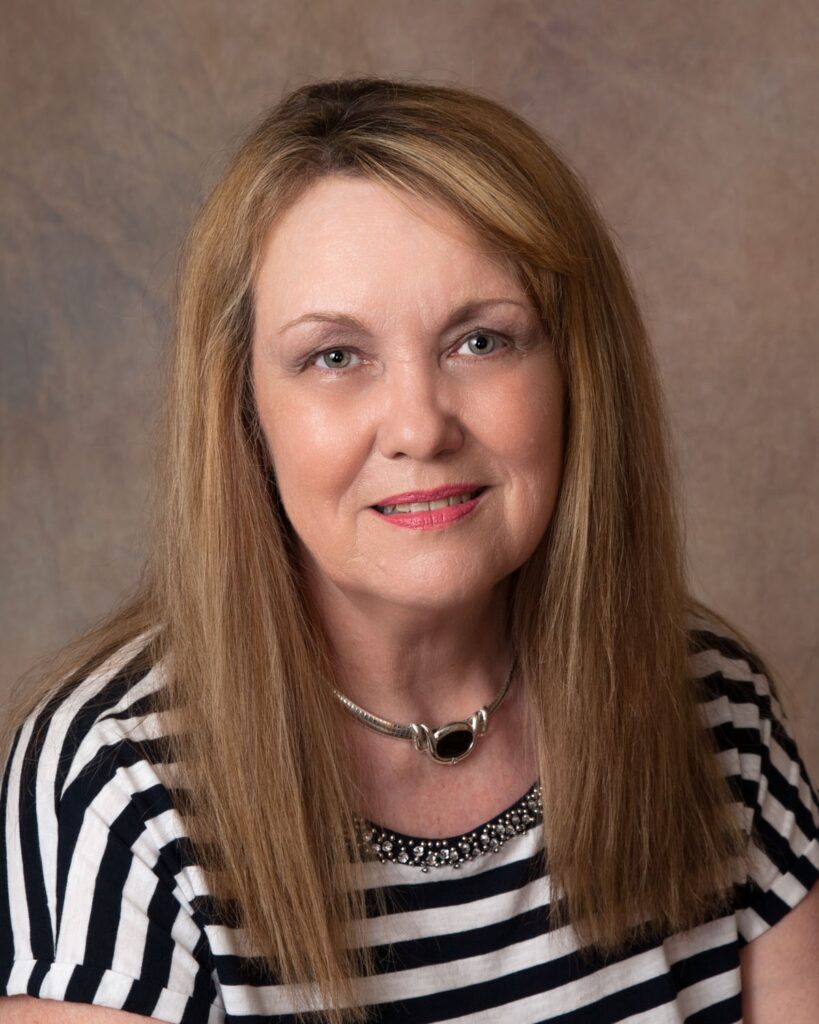
Jill Methvin is a memoir and personal-essay writer who writes about adoption, faith, family, and resilience. An adoptee as well as an adoptive parent, she writes honestly about the complicated truths that can exist alongside love, loss, and faith. She believes our stories do not have to be comfortable to be worth telling.